

How to keep mice out of your Kansas City home. Rodents are one of the most common pest problems homeowners face. Mice and rats are always searching for three things: food, water, and shelter. Unfortunately, our homes often provide all three.
Many people think rodent control means traps or poison. While those tools can help, they rarely solve the real problem. The most effective long-term solution is rodent exclusion.
Rodent exclusion means sealing the openings that rodents use to enter your home. When done correctly, it prevents rodents from getting inside in the first place.
In this guide, we’ll explain why rodent exclusion matters, how rodents enter homes, and why hiring a professional pest control company in Kansas City is often the best choice.
Why Rodent Problems Are Common Around Homes
Rodents are excellent survivors. They thrive in cities, suburbs, and rural areas. Homes provide warmth in winter and safety from predators.
Mice and rats can squeeze through very small spaces:
- A mouse can fit through a hole the size of a dime
- A rat can squeeze through a hole the size of a quarter
Even a small gap in your home can become a doorway for rodents.
Common entry points include:
- Gaps around doors
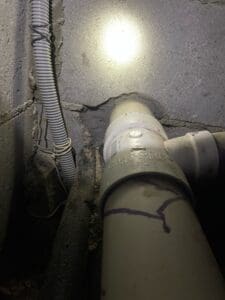
- Openings around pipes
- Roofline gaps
- Foundation cracks
- Garage door corners
- Attic vents
- Utility line penetrations
Once rodents get inside, they often stay. They build nests, find food, and begin to reproduce.
The Problems Rodents Cause in Your Home
Rodents are more than a nuisance. They can cause real damage and health risks.
Property Damage
Rodents constantly chew to keep their teeth from growing too long. This behavior can damage:
- Electrical wiring
- Insulation
- Wood framing
- Plastic pipes
- Storage boxes
Chewed electrical wires can even create fire hazards.
Contamination
Rodents leave droppings and urine wherever they travel. They often contaminate:
- Kitchen cabinets
- Pantry items
- Food storage areas
- Attic insulation
Their droppings and nesting materials can also carry bacteria and allergens.
Rapid Population Growth
Rodents reproduce quickly. A small problem can become a large infestation fast.
- A female mouse can have 5–10 litters per year
- Each litter may contain 5–6 babies
Without proper control, populations grow rapidly.
Why Rodent Exclusion Is the Key to Long-Term Control
Traps and bait can reduce rodent numbers, but if entry points remain open, new rodents will continue to enter.
This is where exclusion becomes critical. Rodent exclusion focuses on preventing mice from getting in your Kansas City home.
It involves:
- Finding entry points
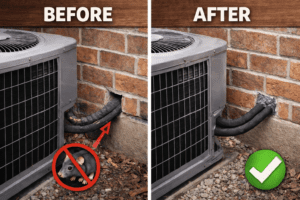
- Sealing gaps and cracks
- Reinforcing vulnerable areas
- Installing protective materials
When entry points are sealed, rodent pressure drops dramatically. Think of it this way: You cannot solve a rodent problem if the door stays open.
Common Rodent Entry Points Around Homes
Many entry points are easy to miss unless you know where to look. Rodents often use areas such as:
- Utility line openings: Cable lines, plumbing pipes, and electrical conduits
- Garage doors: Small gaps at the bottom edges
- Roofline and attic gaps: Roof intersections, soffits, and vents
- Foundation cracks: Even small cracks are enough
- Construction gaps: Where materials meet
Even minor openings can become major problems.
What Rodent Exclusion Involves
- Full Home Inspection: Professionals identify every possible entry point, including the foundation, roofline, attic vents, crawlspaces, and utility penetrations.
- Sealing Entry Points: Openings are sealed with durable materials such as Roban Blocker Excluder, copper mesh, metal flashing, or pest-resistant sealants.
- Installing Rodent Barriers: Additional protections may include vent covers, door sweeps, garage door seals, or rodent guards.
- Monitoring and Control: If rodents are already inside, traps may be used to remove remaining rodents after exclusion.
Common Rodents Found in Kansas City Homes
House Mouse
- Small, gray or brown rodents with large ears and a long tail
- Active mostly at night, can squeeze through holes as small as a dime
- Chews wires, insulation, and food packaging; spreads bacteria
Norway Rat (Brown Rat)
- Larger than a mouse, thick tail, coarse brown fur
- Prefer basements or crawlspaces; excellent burrowers
- Chews wood and wires; contaminates food
Roof Rat (Black Rat)
- Slender, black or dark brown, long tail, large eyes
- Prefer attics and higher areas; excellent climbers
- Chews wires, insulation, and wood; can carry disease
Different rodents behave differently. Professionals can identify the species and tailor exclusion and control methods accordingly.
Why Professional Rodent Control Is Important
While some homeowners try DIY exclusion, professional rodent control ensures:
- All potential entry points are found
- Durable, pest-resistant materials are used
- Rodent behavior is fully understood
- Long-term protection is achieved
Missing even one gap can allow rodents to return.
Frequently Asked Questions About Rodent Exclusion
- What is rodent exclusion? Sealing gaps, cracks, and openings that allow mice and rats to enter your home. It prevents rodents from getting inside, which is more effective than traps or poison alone.
- Can mice really fit through very small holes? Yes. Mice can squeeze through holes as small as a dime, while rats can fit through holes about the size of a quarter.
- What are the most common places rodents enter a home? Utility lines, garage doors, attic vents, foundation cracks, door gaps, and damaged siding or soffits.
- How do I know if rodents are already in my home? Look for signs like scratching sounds in walls, droppings in cabinets or pantries, chewed packaging, grease marks, or nesting materials.
- Does sealing holes really stop rodent problems? Yes. Once entry points are sealed, new rodents cannot enter, preventing recurring infestations.
- Why should I hire a professional for rodent exclusion? A professional pest control company identifies hidden entry points, uses durable professional materials, and creates long-lasting solutions tailored to your home.
- How long does rodent exclusion last? With proper materials and installation, rodent exclusion provides long-term protection. Homes should be inspected periodically for new gaps.
Need Professional Rodent Control in Kansas City?
If you notice scratching, droppings, or signs of mice or rats, it’s time for a professional inspection.
At ZipZap Termite & Pest Control, we specialize in identifying rodent entry points and performing professional rodent exclusion to keep mice out of your Kansas City home. Our trained technicians inspect your home, seal potential access points, and implement effective control strategies.
Rodents reproduce quickly, so small problems can become large infestations if not addressed early. Protect your home, prevent damage, and gain peace of mind.
Contact ZipZap Termite & Pest Control today to schedule a rodent inspection and professional exclusion service.

Jeffery Preece, BCE, PHE
Jeffery Preece is the owner and technical director of ZipZap Termite & Pest Control. He is a board-certified entomologist and holds a certificate in public health entomology.